
What height is being approved when the carpenter measures the support deck, the upholsterer measures the cushion crown, and the client judges the seat after sitting down? For villa owners commissioning a majlis in Riyadh this season, settle that disagreement before reserving or cutting an expensive textile.
The fabric should not dictate the seating. The approved, loaded seating section should determine the fabric order. First define how the room will be used, including the distinction between a majlis and a diwaniya. Then test the complete seat, backrest, and table relationship.
- Approve the finished seat under load, not just the carpenter’s frame.
- Test foam, back projection, usable depth, and tabletop height together.
- Use a full-size mock-up before calculating fabric.
- Release cutting only against current drawings, samples, and quotations.
Which majlis dimensions must be fixed before upholstery fabric is ordered?
Fix the loaded seat height, usable depth, backrest position, cushion construction, plinth height, and tabletop height before reserving fabric. These dimensions determine comfort, visible upholstery, seam positions, pattern placement, and the quantity a workshop can price responsibly.
Finished seat height is not the same as the carpenter’s frame height
Frame height usually stops at the support deck. Unloaded seat height includes the foam, wrap, upholstery tension, and cushion crown. Finished loaded seat height is the floor-to-seat measurement after the agreed user or test load compresses the complete construction.
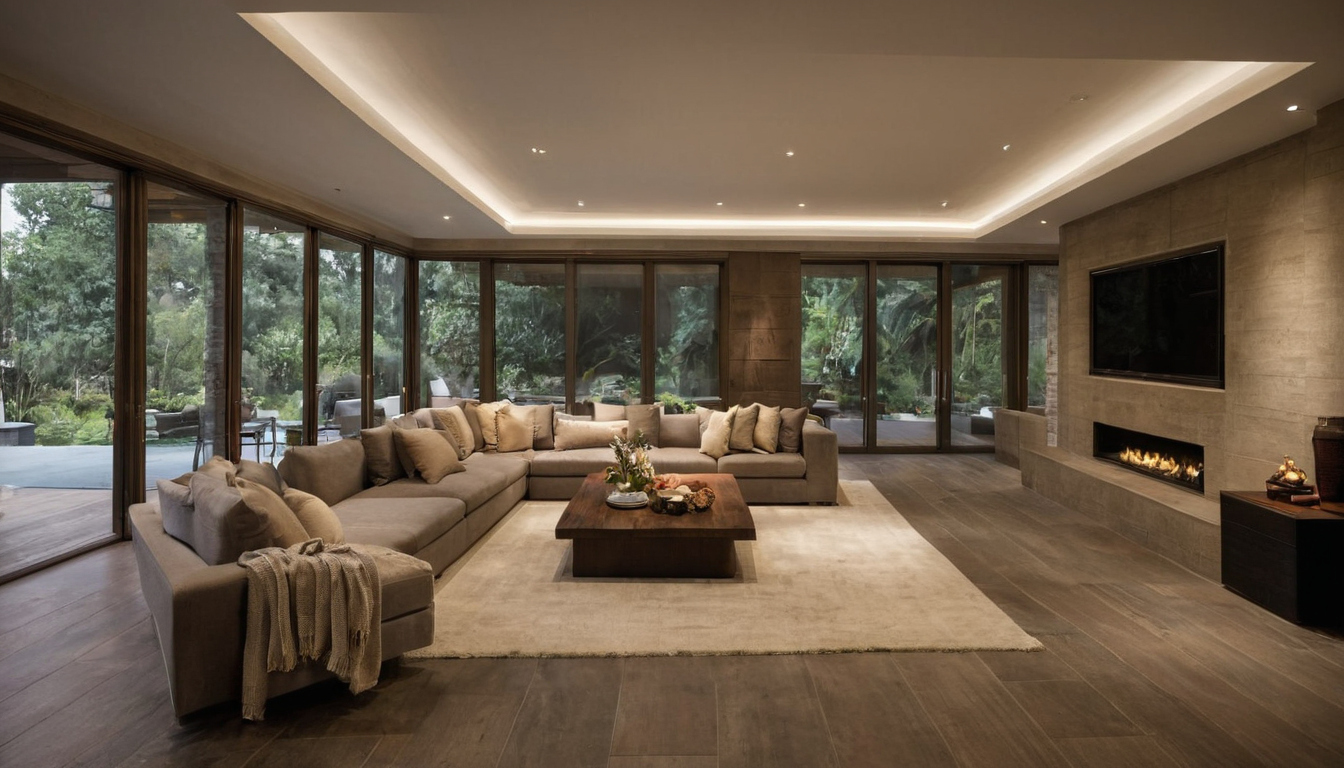
Which majlis dimensions must be fixed before upholstery fabric is ordered shown with finish, fixture, and clearance relationships visible.
- Draw the finished floor, plinth, support deck, foam layers, cushion crown, back cushion, wall clearance, and tabletop in one section.
- Name every measurement surface and the permitted workshop tolerance.
- Confirm flooring, skirting, wall panels, sockets, and the seating line.
Majlis use determines what must be tested
A raised built-in, floor-adjacent seat, and freestanding sofa do not share one automatic height. Test formal reception, relaxed family sitting, dining, coffee service, cross-legged sitting, and elderly access where each use applies. If formal and family requirements differ, zone a Saudi villa for guests, family, and service circulation rather than using one cushion build in every room.
How should the finished majlis seat height be measured under load?
Measure from the finished floor to the cushion surface while the specified assembly carries a representative user or an agreed test load. Record the load, position, support base, foam layers, wrap, upholstery tension, room condition, and test date. The Riyadh workshop can then reproduce the result.
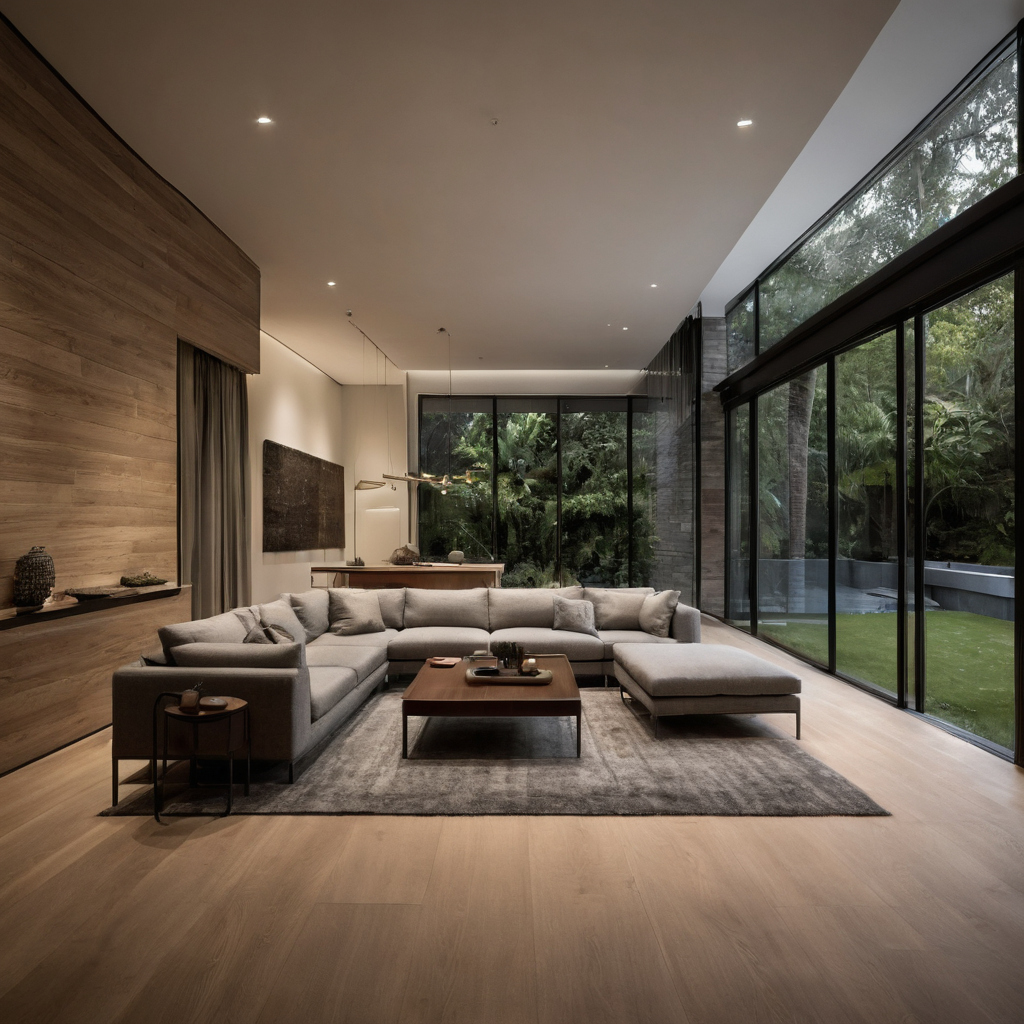
How should the finished majlis seat height be measured under load shown as a planning reference for layout, scale, and material decisions.
Foam density alone does not define compression
The foam schedule should list the manufacturer’s grade, density, hardness or indentation-force measure, thickness, compression set, and resilience. Density and hardness describe different properties. Confirm that the specified products are available to the workshop, then record unloaded height, loaded height, and recovery after unloading.
A loose boxed cushion can shift, crown, and settle independently of its plinth. Mark its position, boxing, piping, seam, insert, wrap, and crown. For a fixed seat, also record upholstery tension and whether the support uses solid board, webbing, springs, or slats.
New furnishings and building materials can be indoor sources of volatile organic compounds. The U.S. Environmental Protection Agency recommends increased ventilation while products that emit such compounds are being used. Ventilate a newly furnished test room without treating that guidance as evidence of cushion performance.
Majlis seat, backrest, and side-table heights must be resolved as one section
Loaded seat height affects the sitter’s relationship to the back cushion, arm support, coffee table, and side table. Test the complete section with the intended posture and serving pieces before releasing joinery, stone, metalwork, or upholstery.
The backrest must support posture without stealing seat depth
Measure usable depth from the compressed back cushion to the front edge, not from the wall panel or frame. Record the backrest reference point, overall height, support zone, angle, cushion thickness, and forward projection. A thick lumbar layer can make a generous platform feel like a shallow seat.
Include any bolster or armrest. Its width affects usable seating length, while its height affects shoulder position and entry. Formal upright seating and relaxed family seating may need separate approved sections.
Test the side table from the loaded seat
Set the tabletop against the approved sitting position. Test reach with the intended dallah, finjan, and serving tray. Account for the stone or timber top thickness in the finished height, then coordinate skirting, sockets, curtains, floor finishes, and cleaning access.
For natural stone, the Natural Stone Institute recommends neutral cleaner, stone soap, or mild liquid dishwashing detergent with warm water. The table detail should leave the top reachable for routine care.
A full-size majlis mock-up should be approved before fabric quantities are calculated
Approve a full-size corner or one-seat mock-up before purchasing fabric. The prototype must reproduce the support base, foam layers, boxing, piping, back condition, and upholstery tension. A rigid bench cannot substitute for webbing, springs, or another production support deck.
The approval record should identify the structural slab, finished floor, plinth, frame, and cushion crown. Record loaded and unloaded heights, usable depth, seams, tolerances, revision, date, and approvals for comfort, appearance, dimensions, and construction. Keep marked foam and cushion samples with the workshop.
If the floor build-up, foam, table, or fabric changes, reopen the approval. This coordination is one reason to appoint an interior designer before contractor work starts.
How does the approved majlis section control upholstery fabric quantity?
The approved section defines every upholstered face and cushion. The estimator then accounts for usable width, direction, repeat, matching, seam allowance, piping, and supplier order units. A generic sofa calculator cannot reliably price continuous runs, corners, fixed backs, and removable covers.
A fabric schedule separates measured area from order quantity
| Component | Schedule record | Purchase adjustment |
|---|---|---|
| Seats, backs, ends, bolsters | Finished dimensions, quantity, direction | Repeats, seams, piping, closures, waste |
| Main cloth, foundation cloth, borders | Separate cutting quantities | Order unit, minimum order, matching batch |
Directional or sadu-inspired stripes need a written placement drawing across cushions, corners, mitres, and long backrests. Confirm provenance before calling a textile Najdi or connecting it with traditional Al Sadu weaving, which UNESCO documents as tightly woven textile work practised by Bedouin women using natural fibres and a ground loom.
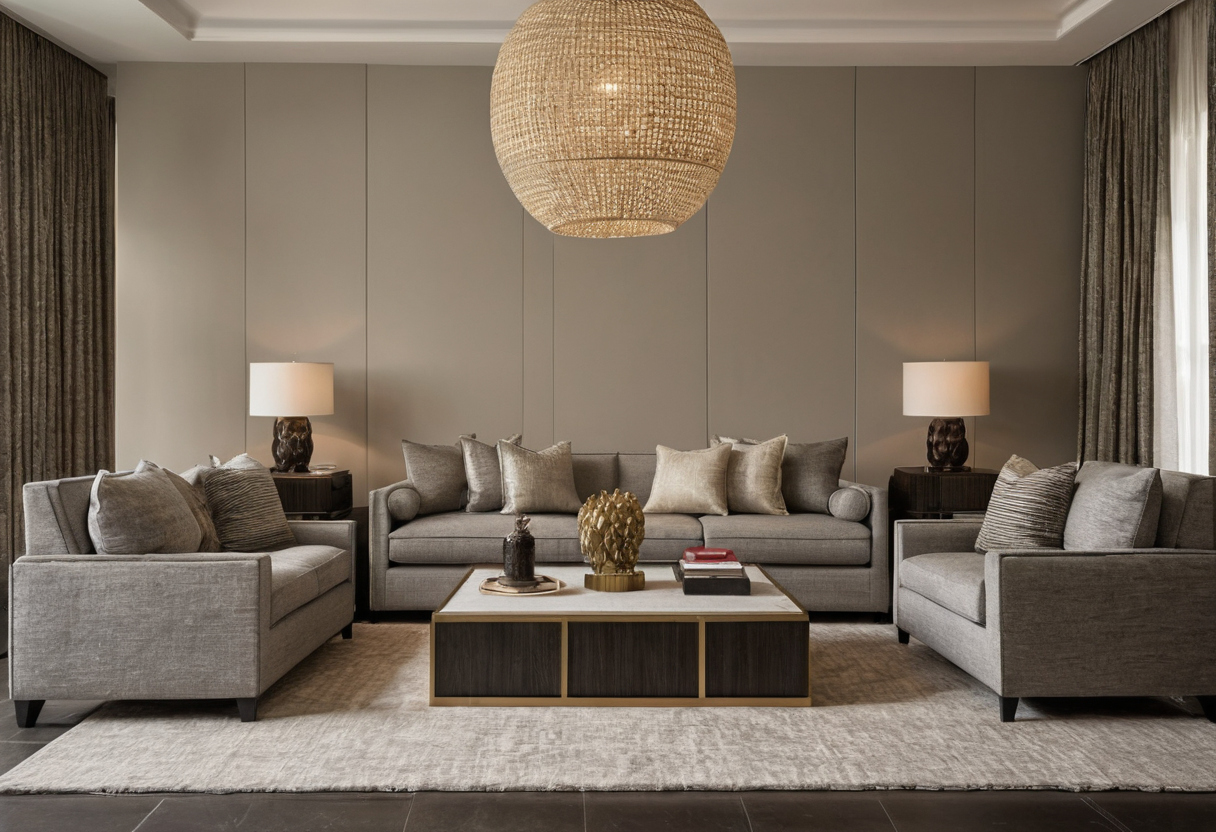
How does the approved majlis section control upholstery fabric quantity shown with finish, fixture, and clearance relationships visible.
Changing the majlis height after fabric approval creates measurable cost and quality risks
A late height change can alter cushion boxing, back panels, stripe alignment, piping, foam volume, and tabletop coordination. The quotation and production release must show those consequences rather than burying them in one total.
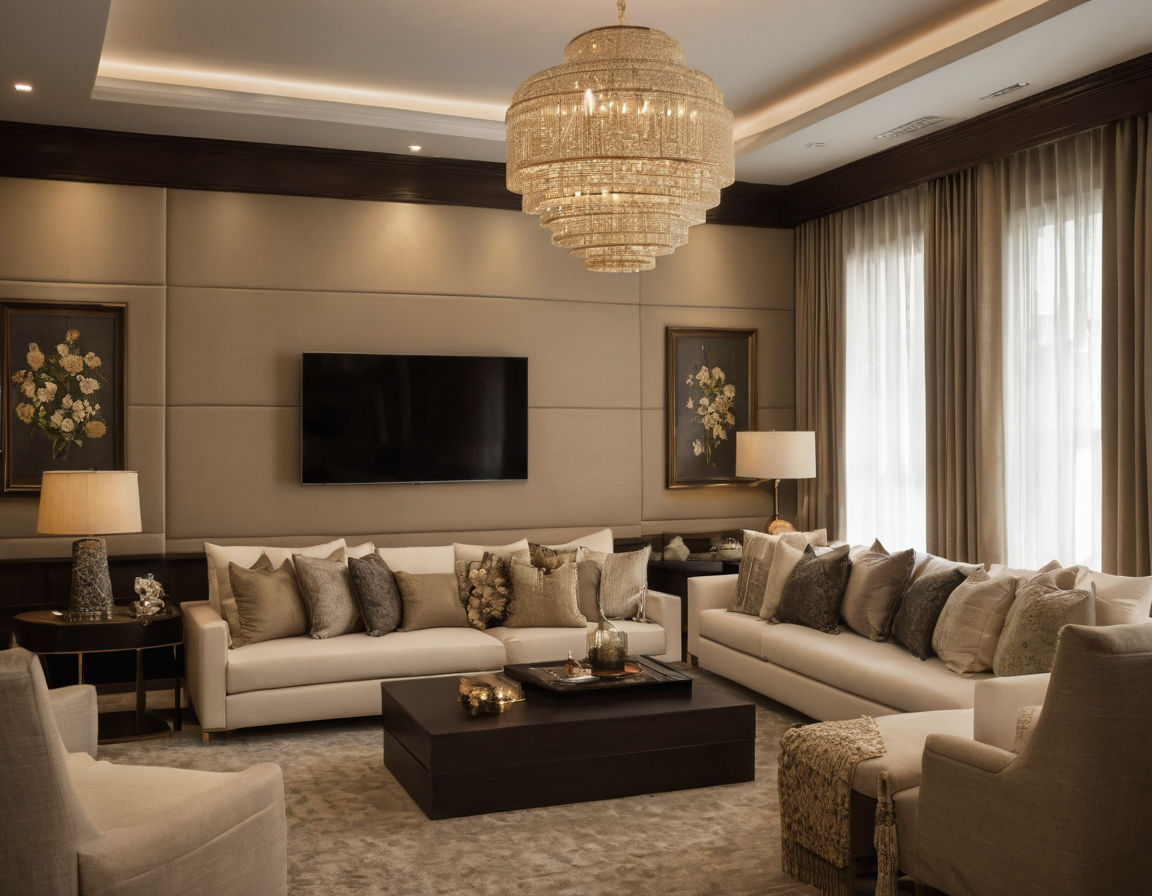
Changing the majlis height after fabric approval creates measurable cost and quality risks shown as a planning reference for layout, scale, and material decisions.
- Record the approved depth, loaded height, foam build-up, corners, piping, fabric allowance, and pattern matching.
- Separate frame, foam, fabric, trims, labour, delivery, installation, tax, and remedial work.
- Assign responsibility for cutting, batch variation, cancellation, returns, and special orders.
- State quotation validity and the price basis for revisions.
Clients should compare Riyadh interior design proposals with different scopes, not totals alone. The Association for Contract Textiles explains that textile performance symbols indicate compliance with guideline criteria, not guaranteed suitability for every installation. The specifier must still assess the actual application and applicable project requirements.
Do not release fabric for cutting until the finished floor level, loaded seating section, mock-up, fabric sheet, cutting plan, quotation, and written approvals carry the current revision. Freeze the buildable section first. Then order the textile.
Frequently asked questions
How high should a commissioned majlis seat be from the finished floor?
There is no universal majlis height. Approve the finished loaded height according to the users, intended posture, support base, foam construction, usable depth, and relationship to the tables.
Should majlis seat height be measured before or after the cushion compresses?
Record both. The unloaded height documents construction, while the loaded height describes the sitting position that must coordinate with the backrest and tabletop.
What are the most common upholstery mistakes when changing a majlis seat height?
Common mistakes include keeping the old boxing dimensions, losing stripe alignment, changing usable depth, overlooking back-panel quantities, and leaving tables at the previous height.
Does the two-thirds sofa rule determine majlis seat or backrest height?
No. A visual proportion rule cannot determine ergonomic seat or backrest dimensions. The commissioned section must be tested with the intended users and posture.