
The contractor is ready to mobilize at the Riyadh villa, but socket heights, ceiling coves, AC grilles, chandelier points, vanity sizes, and majlis joinery are still being debated. This is where homeowners lose cost control: site work starts before design intent becomes drawings the contractor can price.
Hire an interior designer in Riyadh before contractor pricing, not after site work starts
For a Riyadh villa, the safest time to hire an interior designer is before final contractor pricing and before electrical, HVAC, plumbing, ceiling, flooring, and joinery decisions are locked. This matters in new villas, shell-and-core handovers, major renovations, majlis upgrades, and luxury fit-out work, where one late change can affect several trades.
If the contractor prices assumptions, those assumptions can become exclusions, provisional sums, substitutions, delays, or variation requests.
- High risk: new villa interiors, shell-and-core villas, majlis redesigns, kitchen relocations, bathroom upgrades, stone flooring, custom doors, built-in wardrobes, and decorative ceilings.
- Medium risk: repainting plus new lighting, loose furniture plus curtain changes, partial flooring replacement, or a single-room upgrade where sockets, switches, or AC outlets may move.
- Low risk: repainting, loose furniture assembly, accessories, art placement, and styling where no hidden services or fixed finishes change.
Should a Riyadh homeowner hire a designer or contractor first?
A Riyadh homeowner should usually appoint the interior designer first, then invite contractors to price the defined scope. The designer translates privacy, guest circulation, majlis seating, lighting mood, storage, material durability, and MEP coordination into drawings and specifications.
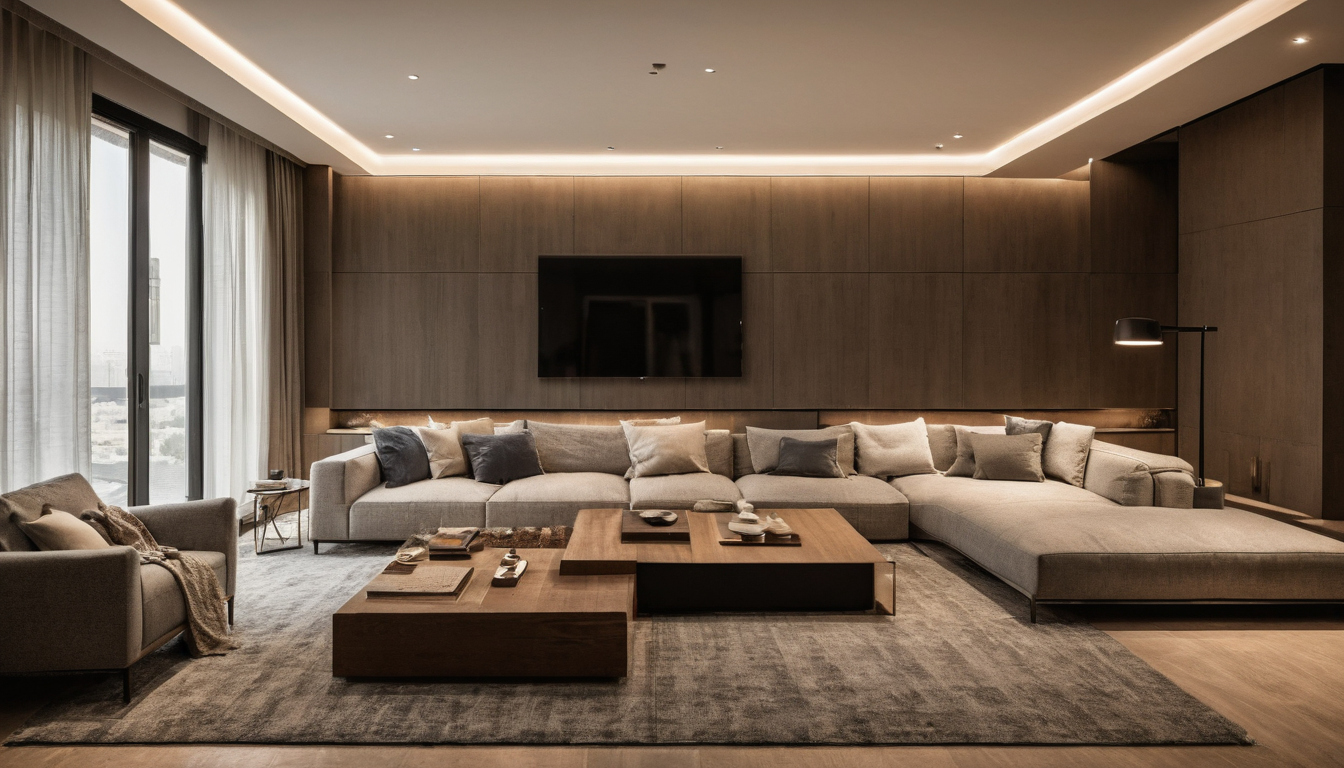
Hire an interior designer in Riyadh before contractor pricing, not after site work starts shown as an editorial reference for proportion and finish coordination.
The practical sequence is: villa review, concept, space planning, material direction, detailed drawings, contractor pricing package, contractor appointment, fit-out execution, site coordination, snagging, and handover.
When is a contractor-first approach acceptable in Riyadh interior work?
A contractor-first approach can work for cosmetic updates with a narrow, visible scope. Repainting, assembling loose furniture, replacing accessories, or installing ready-made shelves may not need full drawings. For smaller updates, ask whether an interior decorator is enough for a smaller update.
Contractor-first becomes unsafe when the work touches concealed wiring, plumbing points, AC distribution, gypsum ceilings, stone, sanitaryware, fixed seating, doors, kitchens, wardrobes, or majlis layouts.
Riyadh villa design decisions that should be frozen before the contractor starts
Before a contractor starts a Riyadh interior project, freeze the layout, ceiling design, lighting concept, power points, wet-area fixtures, floor finishes, wall finishes, doors, joinery, and major furniture dimensions.
| Decision area | Freeze before site start | Can stay flexible | Why it affects site sequence |
|---|---|---|---|
| Villa layout and room use | Majlis location, family living, staff rooms, service circulation, kitchen relationship, entry zones | Artwork, side tables, accessories | Wall changes, privacy routes, door swings, AC zoning, and guest circulation depend on the approved plan. |
| Ceilings, lighting, and power | Reflected ceiling plan, cove lighting, downlights, chandeliers, switches, sockets, curtain motors, thermostats | Some lamps and final scenes | Gypsum framing, wiring, access panels, and AC grilles must be coordinated before ceilings close. |
| Wet areas and kitchens | Sanitaryware, mixers, drains, shower niches, vanity sizes, appliance positions, laundry needs | Towels, simple mirrors, movable storage | Plumbing points, waterproofing, ventilation, and tile setting follow these choices. |
| Floors, doors, stone, and joinery | Marble or porcelain format, thresholds, skirting, custom doors, wardrobes, vanity units, kitchen joinery, majlis built-ins | Cushions, loose rugs, some chairs | Floor levels, door undercuts, shop drawings, fabrication, and ordering need early confirmation. |
Which interior decisions affect electrical and AC work in a Riyadh villa?
Electrical and AC coordination begins with the furniture plan, not the electrician’s first visit. A majlis sofa wall needs sockets for side tables, a central chandelier needs support, and a TV wall needs power, data, and cable routes before plastering. Curtain motors, security devices, thermostats, and smart switches also need locations before rough-in.
Ceiling design controls AC diffuser placement because cooling comfort, gypsum levels, lighting coves, and decorative beams share overhead space. If the designer fixes the ceiling after MEP work has started, ducts, grilles, access panels, or light points may move. For efficiency, ENERGY STAR states that qualified LED lighting uses at least 75 percent less energy and lasts up to 25 times longer than incandescent lighting, where suitable.
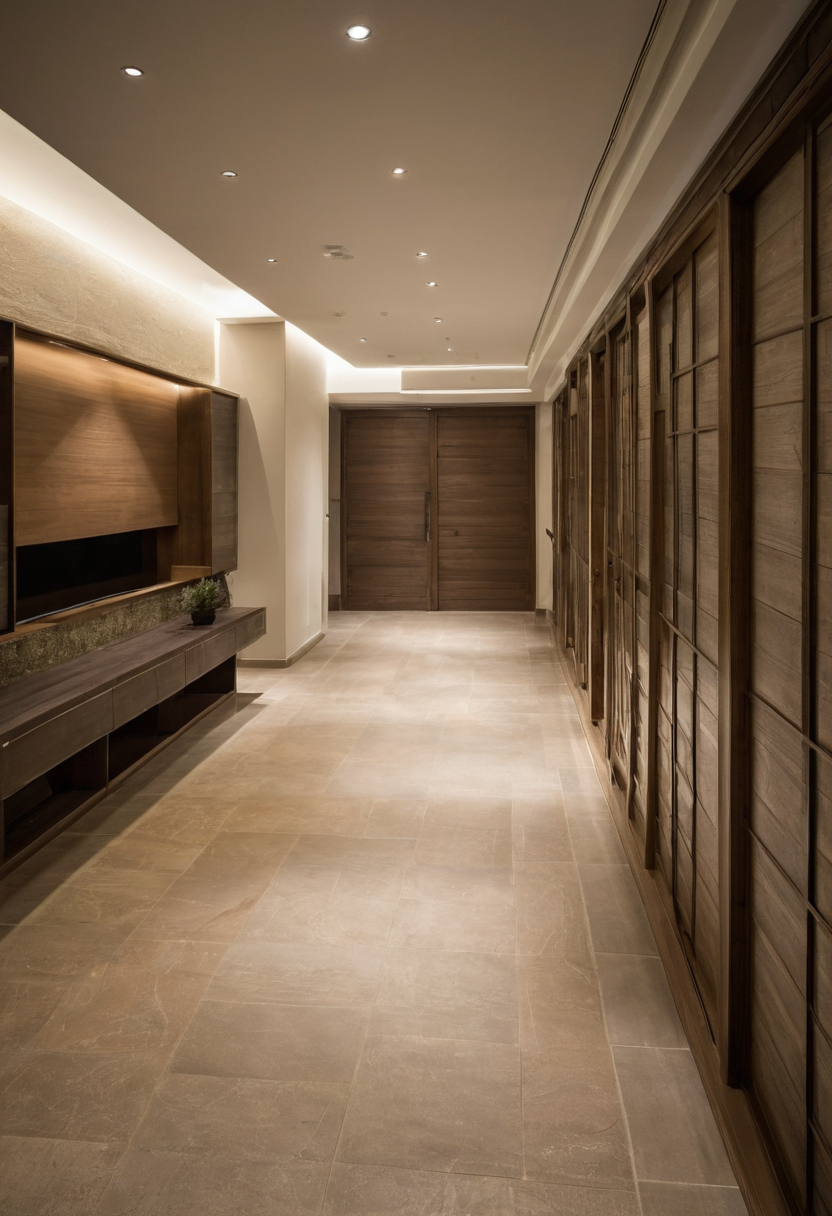
Riyadh villa design decisions that should be frozen before the contractor starts shown with finish, fixture, and clearance relationships visible.
Wet rooms need the same discipline. The U.S. Environmental Protection Agency guide to mold and moisture says condensation and damp spots should be fixed promptly to prevent mold growth, making bathroom ventilation, laundry planning, shower slopes, and condensation control part of design coordination.
Which interior decisions affect joinery, doors, stone, and flooring lead times?
Built-in wardrobes, kitchen cabinets, custom vanities, timber doors, ironmongery, marble, porcelain slabs, sanitaryware, and decorative lighting may need shop drawings, samples, approvals, deposits, fabrication, or import time.
Contractor pricing depends on complete information. ConsensusDocs explains that ambiguous or incomplete plans and specifications can lead to extra work or more expensive materials, creating a potential constructive change when later instructions differ from the contractor’s reasonable pricing interpretation.
Late designer appointment creates avoidable rework in Riyadh interior projects
Hiring a designer after the contractor has started often creates rework because site decisions have already been made without the final interior intent. Riyadh villa owners can face relocated sockets, redesigned ceilings, misaligned AC grilles, incorrect plumbing points, joinery clashes, delayed materials, and variation claims.
What rework happens when lighting is designed after ceiling work starts?
Lighting rework begins when the gypsum frame is set, conduits are pulled, AC ducts have found positions, and only then the homeowner chooses the chandelier, wall washers, cove detail, or downlight spacing.
- Move the downlight: wiring may be rerouted, gypsum patched, and a larger ceiling area repainted.
- Add a chandelier: the contractor may need extra support, a revised switch line, and a center point based on the furniture layout.
- Change a cove after framing: the gypsum profile, LED access, driver location, curtain pocket, and AC grille line can all be affected.
- Leave finishes until the room is closed: paints, varnishes, cleaning products, building materials, and furnishings can emit volatile organic compounds according to the U.S. Environmental Protection Agency, which recommends increasing ventilation when using VOC-emitting products indoors.
A safer sequence is to approve the furniture plan, reflected ceiling plan, AC, lighting, switching, curtains, and decorative fixtures before gypsum closure. This is why why lighting should be planned early is a site-sequence issue, not a final decorative choice.
What rework happens when joinery is designed after walls and floors are finished?
Joinery rework starts when built-in wardrobes, TV walls, display units, kitchens, shoe storage, and majlis service cabinets are treated as loose furniture instead of construction elements. Custom joinery needs site dimensions, wall levels, floor build-up, skirting details, socket positions, ventilation gaps, hardware clearances, finish samples, and installation tolerances before surrounding work closes.
- Sockets behind cabinets: power points may become unusable, or visible access holes may be cut after fabrication.
- AC return or grille conflict: a wardrobe, TV wall, or display unit can block airflow or force a late grille relocation.
- Door and curtain clashes: tall joinery can interfere with door swings, curtain tracks, pelmets, or wall controls.
- Floor-level mismatch: stone, porcelain, thresholds, and timber transitions can leave uneven plinths if joinery dimensions come too late.
The contractor pricing package should include drawings, specifications, and a clear scope of work
A Riyadh contractor can price accurately only when the homeowner provides a coordinated interior package, not loose inspiration images. The minimum package should include layout drawings, reflected ceiling plans, lighting and electrical layouts, finish schedules, sanitaryware selections, joinery intent, door details, material specifications, and a written scope with exclusions.
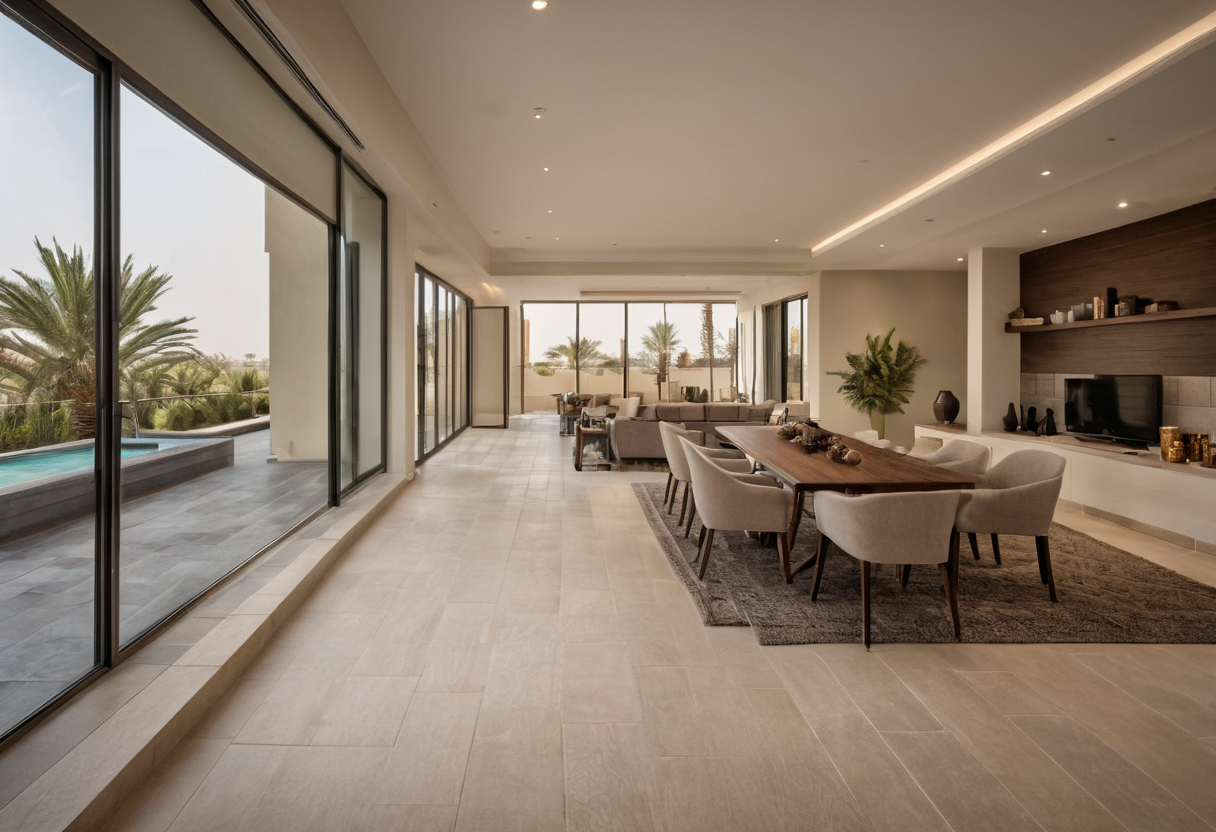
The contractor pricing package should include drawings, specifications, and a clear scope of work shown as an editorial reference for proportion and finish coordination.
What documents should a Riyadh homeowner request before contractor quotations?
Ask each interior designer Riyadh shortlist to issue a contractor pricing set that explains what will be built, supplied, and left provisional. A villa owner who sends three contractors different sketches, photos, and supplier screenshots will receive prices that cannot be compared fairly.
- Concept direction: mood boards, key room visuals, material palette, furniture style, and majlis atmosphere.
- Planning drawings: existing layout, demolition plan if relevant, partition plan, furniture layout, door swings, guest circulation, family zones, and service routes.
- Ceiling and MEP coordination: reflected ceiling plan, ceiling heights, cove details, lighting layout, switching logic, power, data, AC grilles, and plumbing coordination.
- Finish information: flooring type and size, skirting, paint system, wall cladding build-up, stone or porcelain locations, tile direction, and transitions.
- Procurement information: sanitaryware schedule, lighting schedule, door schedule, ironmongery, countertop specification, joinery finish, wardrobe accessories, and kitchen appliance allowances.
- Commercial control: bill of quantities or written scope, inclusions, exclusions, provisional sums, site protection, approvals, and handover requirements.
Specifications remove grey areas. “Marble flooring” is not a specification. A defined marble finish, format, sealing requirement, skirting, and location gives the contractor a pricing basis. The same rule applies to washable paint, concealed hinges, soft-close drawers, LED profiles, mixers, and countertop edges.
Construction contract guidance from ConsensusDocs explains that where plans and specifications leave the contractor discretion over means and methods, the contractor may choose how to meet the required scope if the contract requirements are satisfied.
What is the difference between design drawings and contractor shop drawings?
Design drawings describe the homeowner’s approved intent. Contractor shop drawings describe how the contractor, MEP subcontractor, joinery workshop, stone supplier, or door fabricator will manufacture and install that intent on site.
Detailed design drawings show dimensions, finishes, ceiling levels, lighting positions, sanitaryware selections, and joinery intent. Shop drawings then test the design against site measurements, material thicknesses, fixing methods, access panels, drawer hardware, AC ducts, and electrical boxes.
The approval workflow should be clear before mobilization: the contractor measures the site, submits shop drawings, the designer reviews alignment with design intent, the homeowner approves visible decisions, and specialist suppliers confirm technical details.
Riyadh-specific interior design conditions make early coordination more important
Early interior design coordination matters more in Riyadh because homes often combine privacy requirements, formal hospitality spaces, intense cooling loads, dust exposure, family zoning, and durable luxury finishes. These conditions affect layouts, entrances, majlis circulation, HVAC distribution, curtain systems, surface selection, maintenance access, and procurement.
How do privacy and hospitality requirements change the design sequence in Saudi villas?
Saudi villa privacy is a planning constraint, not a styling preference. The male majlis, family living room, women’s sitting room, dining room, guest washroom, service entrance, and staff route need sightline control before walls, doors, and ceiling bulkheads are priced.
Majlis layout can change the entrance sequence. A guest should not look into the family lounge from the main door, serving should reach coffee and dining areas without crossing private zones, and washroom access should be obvious without exposing bedrooms. Seating depth, chandelier positions, wall-washing, speaker locations, and acoustic separation need ceiling and electrical drawings before gypsum starts. For a fuller local lens, see majlis planning and hospitality circulation.
How do Riyadh climate and dust conditions affect finishes before site work?
Riyadh climate turns finishes into a coordination issue. Dust at thresholds, strong sun at large windows, frequent cooling, and high guest traffic affect porcelain format, stone finish, skirting height, curtain tracks, door seals, upholstery performance, and metal hardware selection before procurement.
Natural stone needs early selection because slab thickness, edge profiles, substrate buildup, sealers, and cleaning expectations affect shop drawings and maintenance. The Natural Stone Institute recommends neutral cleaners, stone soap, or mild liquid dishwashing detergent with warm water for natural stone, and warns that scouring powders or abrasive creams can scratch stone surfaces.
Fabric, curtain, and flooring choices should suit the housekeeper’s routine, not only the showroom sample. If the villa has children, frequent guests, or garden or pool access, the designer should set durable finish specs before the contractor locks prices.
Choose the designer engagement model based on risk, scope, and site supervision needs
A Riyadh homeowner does not always need the same design service. A full villa fit-out usually needs concept design, detailed drawings, tender support, procurement coordination, and site supervision, while a smaller room update may need layout and finish advice only. The right model depends on budget, complexity, and contractor capability.
When should a homeowner use full-service Riyadh interior design instead of consultation only?
Consultation works for low-risk changes: repainting a bedroom, refreshing loose furniture, changing curtains, or improving one family sitting room without moving electrical, AC, plumbing, ceilings, or built-in joinery.
Full-service riyadh interior design is safer when the project includes a majlis, several bedrooms, wet areas, kitchens, custom wardrobes, marble, large-format porcelain, decorative lighting, smart controls, or multiple suppliers. In that case, the designer protects the sequence between drawings, contractor pricing, procurement, site decisions, and handover.
Common service models from interior design companies in riyadh include consultation, concept only, detailed design, design and procurement, design-build, and design with site supervision. Large villas, luxury materials, complex MEP coordination, high-value finishes, and custom joinery justify site supervision.
What should be agreed with the designer before the contractor starts?
Before signing, clarify responsibilities, not only taste. Use the designer meeting to confirm the practical questions to ask before hiring an interior designer, then put the answers into the agreement.
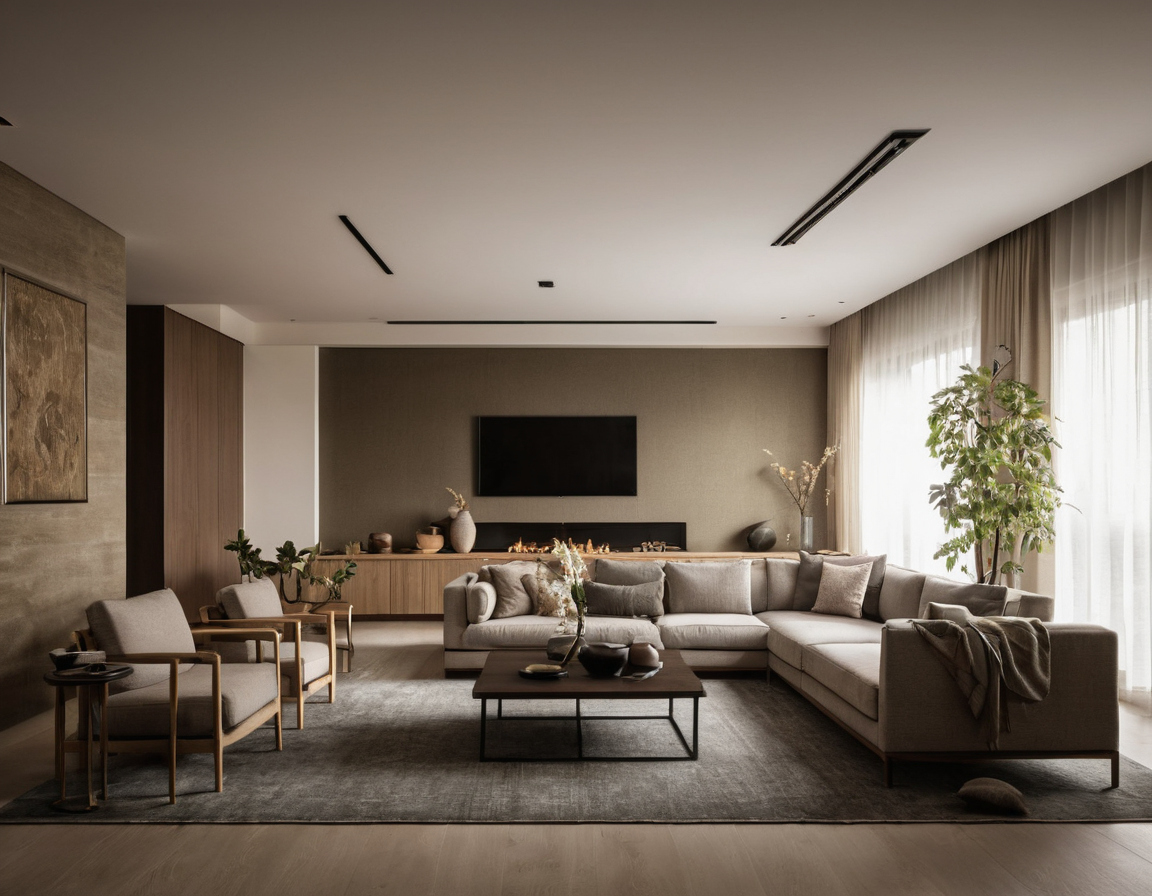
Choose the designer engagement model based on risk, scope, and site supervision needs shown with finish, fixture, and clearance relationships visible.
- Rooms and areas included in the scope.
- Number of concept and drawing revisions.
- Required drawings, schedules, specifications, and mood boards.
- Site visit frequency and who records site instructions.
- Procurement role, supplier coordination, and sample approvals.
- Process for contractor submittals, shop drawings, and material substitutions.
- Payment milestones and change approval method.
FAQ
Do you hire an interior designer or contractor first for a Riyadh villa?
For a villa fit-out, majlis redesign, major renovation, or shell-and-core handover, hire the interior designer before final contractor pricing. The contractor should price a coordinated scope, not assumptions.
How early should I appoint an interior designer before renovation work starts?
Appoint the designer early enough to complete space planning, ceiling and lighting layouts, MEP coordination, finish schedules, joinery intent, and contractor pricing documents before mobilization.
What drawings should I have before asking Riyadh contractors for prices?
Request layouts, reflected ceiling plans, lighting and electrical plans, plumbing coordination, finish schedules, door and joinery information, sanitaryware and lighting schedules, specifications, and a written scope of work.
Is an interior decorator enough, or do I need an interior designer for MEP and joinery coordination?
An interior decorator may be enough for loose furniture, accessories, color refreshes, and simple styling. Use an interior designer when work affects ceilings, AC, plumbing, electrical points, fixed joinery, doors, stone, kitchens, bathrooms, or majlis planning.
What design decisions must be frozen before a contractor starts work on a majlis or villa fit-out?
Freeze the room layout, guest circulation, seating dimensions, ceiling design, lighting points, sockets, AC grilles, door swings, flooring, wet-area fixtures, stone, joinery, curtain tracks, and main material specifications.